Zimbabwe Political Context: February 2019
Introduction: The 2019 Protests
[The full pdf report can be downloaded here.]
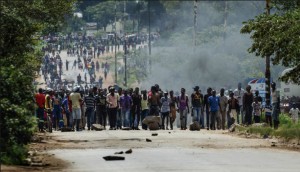
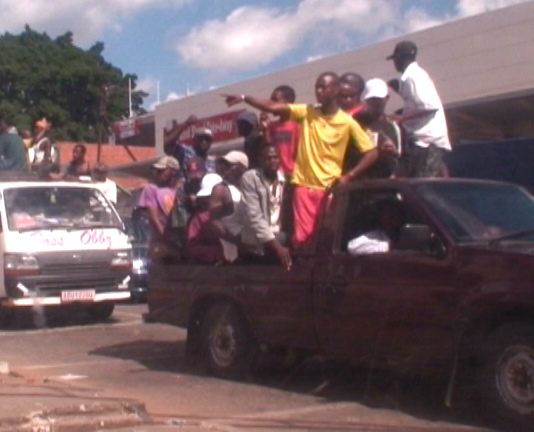
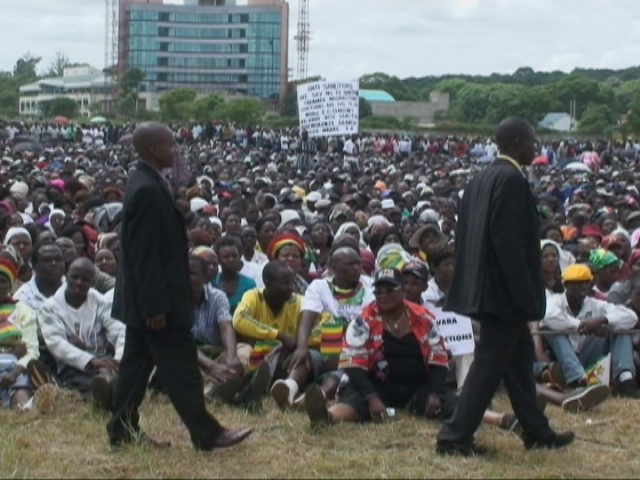
Protestors, Harare, 14 January 2019 (Newsday)
Since the November 2017 military coup, Zimbabwean politics was once again plunged into a legitimacy crisis, a situation exacerbated by the contestations over the July 2018 Harmonised election results, and the violence that followed on 1 August. Notwithstanding the political and economic reformist language of international re-engagement of the Mnanagagwa regime since that moment, the shadow of Mugabe’s authoritarian nationalist politics continued to hover over the post- coup attempt at political renewal. With the economic crisis deepening throughout 2018, the already fragile livelihoods of the majority of Zimbabwean citizens became even more precarious. In late 2018, public sector workers including doctors, nurses and teachers went on strike over their depreciated salaries and working conditions in the face of rising inflation and the persistent monetary crisis in the country. Representing around 27.4 % of formal employment, the largest portion of formal employment in the country, the striking public sector workers presented a serious problem for the functioning of the state. Looking back to the 1990’s it was the public sector strike of 1996 that signalled the onset of the broader trade union challenge to the Government’s neo-liberal policies at a time when formal sector employment, though already on the decline, had a broader base.1 The public sector strikes of late 2018 with the attendant fiscal challenges, once again presented a serious...Read more
Wed, February 20 2019 » Human rights, Reports, Zimbabwe Review » Leave a comment
Introduction
 After the coup in November 2017, a central part of the coup leader’s strategy was to move beyond the shadow of the coup through an election process that was seen to be peaceful and credible. As the Presidential spokesperson explained it, for ED Mnangagwa and his team July 30 ‘was not about winning votes qua votes, but about securing re-‐engagement and the myriad benefits flowing therefrom’.1 Thus this ‘open for business’ mantra was accompanied by selective electoral reforms. These included: The introduction of the BVR voting system; the ensuring of a more peaceful and tolerant electoral environment; and an invitation to a wide range of international observers including the EU, US, SADC, AU, and the Commonwealth to monitor and report on the election. As part of the narrative of international re-‐engagement, national unity and reconciliation that marked his discourse since the coup, Mnangagwa also conducted a series of meetings with minority communities. In June, Chiwenga met with the Asian business community, and In July the Zanu PF President met with the representatives of the white community and invoked the language of reconciliation that Mugabe deployed in the immediate post 1980 period: We should cease to talk about who owns farms in terms of colour.
We should cease talking about that. A farmer-‐black farmer, a white farmer-‐is a Zimbabwean farmer. We should begin to develop a culture among our people to accept that we are one.2
The opposition, led by the largest party the MDC Alliance and its young leader Nelson Chamisa, made it clear from early on in its election campaign that there were serious problems in the election process that had not been dealt with. The problem areas included the partisan status of the Zimbabwe Election Commission, the late release of the voter’s role, lack of transparency around the printing of the ballot papers, and the lack of equal access to the public media. Moreover Chamisa stated throughout...Read more
Mon, October 1 2018 » 2018, Election violence, Elections, Reports, Uncategorized » Leave a comment
Political Context: 2017-‐2018 Introduction: The Trigger of Factional Politics November 2017 witnessed tumultuous events in Zimbabwean politics. After […]
Published: Fri, February 23 2018
By Ukuthula Trust & Solidarity Peace Trust Bulawayo, 6th October 2015 There is desperation. It’s hope without hope. You appear to […]
Published: Thu, October 8 2015
‘It’s a paralyzing election result to every one, the future is bleak. They will continue to fill their […]
Published: Sun, October 6 2013
In association with PASSOP This report brings to light the discrepancies between the legal requirements around deportation of […]
Published: Tue, June 5 2012
SPT Report Nationally, Zimbabwe is more food secure at the end of 2011 than it has been for […]
Published: Wed, November 2 2011
Since the signing and initiation of the Global Political Agreement in Zimbabwe in September 2008 and February 2009 […]
Published: Wed, April 13 2011
In May 2005, the Zimbabwean government embarked on a massive, highly systematic programme of demolitions of all informal […]
Published: Fri, July 30 2010
There is a general consensus that the Global Political Agreement (GPA), signed in September 2008 and initiated in […]
Published: Wed, March 31 2010
The largest mass movement of people into South Africa in its history is continuing into its seventh year, […]
Published: Wed, March 31 2010
The Global Political Agreement signed on 15th September 2008 was an uneasy compromise between the two MDCs and […]
Published: Tue, June 30 2009
There is not much likelihood that the formal economy in Zimbabwe will recover any time soon. It is […]
Published: Tue, June 30 2009
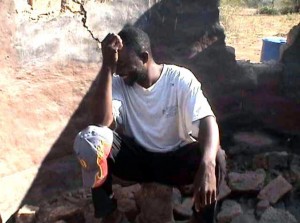
In its report on the March 29th 2008 Harmonised Election the Solidarity Peace Trust recorded the widespread state-led […]
Published: Tue, July 29 2008
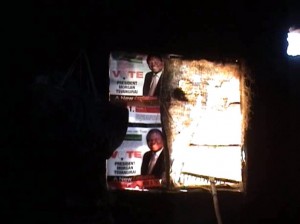
The 2008 Harmonised Election in Zimbabwe was arguably the most historic of the post-independence elections, as for the […]
Published: Wed, May 21 2008
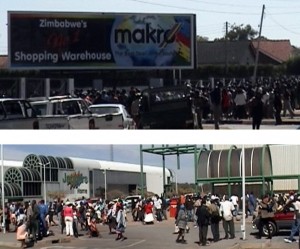
Since the onset of the Zimbabwean crisis, the role of South Africa, as both a help and hindrance, […]
Published: Tue, October 23 2007
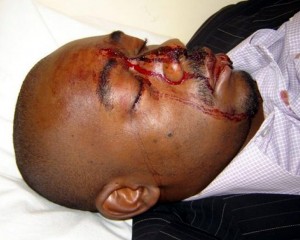
The violence of 11 March and the months following in Zimbabwe indicated increased levels of state repression against […]
Published: Tue, July 10 2007
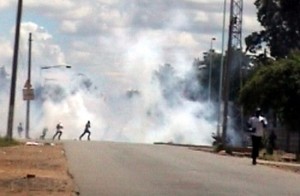
The Solidarity Peace Trust condemns the brutal assault on opposition forces and the arrests of more than 50 […]
Published: Sat, March 24 2007
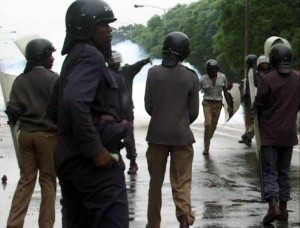
“Policing the State” highlights the growth of police brutality in Zimbabwe since 2000, which has coincided with the […]
Published: Thu, December 14 2006
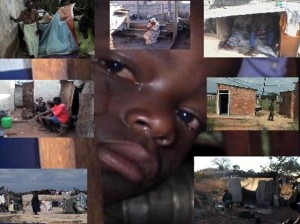
Between 1991 and 2003, urban poverty trebled in Zimbabwe. It was against this background of escalating economic collapse […]
Published: Wed, August 30 2006
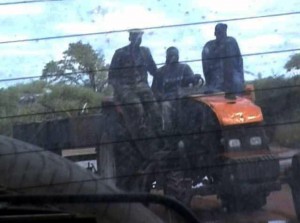
Command agriculture has to be contextualised against a background of the collapse of agriculture since 2000, and of […]
Published: Sat, April 15 2006
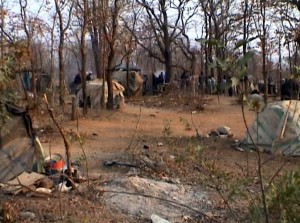
The July UN report on the demolitions in Zimbabwe has become the definitive report on events between May […]
Published: Wed, October 19 2005
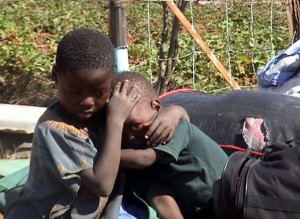
On 19 May 2005, the Government of Zimbabwe began an operation labelled “Operation Murambatsvina” (OM). While Government has […]
Published: Mon, June 27 2005
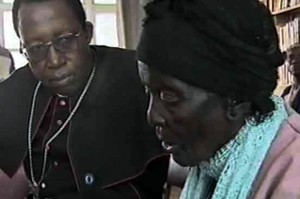
Two teams of Church observers from South Africa entered Zimbabwe ahead of the Election 2005, to observe the […]
Published: Sun, May 15 2005
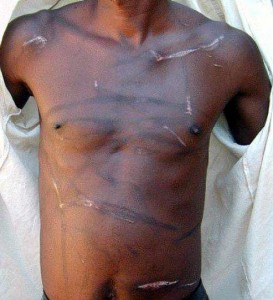
Five years ago this June, parliamentary elections were held in Zimbabwe. Both the ruling Zimbabwe African National Union […]
Published: Tue, March 15 2005
Zimbabweans are now the second biggest group of foreign Africans in South Africa. Yet there is little formal […]
Published: Mon, November 15 2004
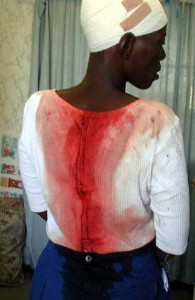
The last four years have seen a relentless clampdown on all those who are perceived as opposing the […]
Published: Thu, July 15 2004
In association with The Zimbabwe Institute Zimbabwe is on the eve of an election year: the nation is […]
Published: Mon, March 15 2004
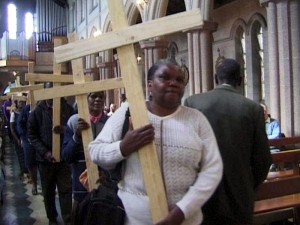
The Solidarity Peace Trust has a Board consisting of church leaders of Southern Africa and is dedicated to […]
Published: Mon, December 15 2003
In the last two years, Zimbabwe has seen a new national youth service training programme moving rapidly from […]
Published: Fri, September 5 2003
Previous reports compiled by the same authors in conjunction with Physicians For Human Rights Denmark (PHR-DK), detailed cases […]
Published: Thu, April 17 2003
In association with Physicians for Human Rights, Denmark The intention of this report, as with the two previous […]
Published: Wed, November 20 2002